

Second Trimester Belly Growth: Why It’s Itchy, When Stretch Marks Start, and What Really Helps
During the second trimester, your body often shifts from feeling pregnant to clearly showing a growing baby bump. What once felt like bloating quickly becomes a round belly as your uterus expands.
Along with this exciting growth, many women notice tightness, itching, stretching, and visible skin changes. These symptoms are extremely common during weeks 16-24 when belly growth accelerates.
So, let’s break down why this happens and what can actually help relieve it.
This post contains affiliate links. If you purchase through these links, I may earn a small commission at no additional cost to you. As always, thank you for supporting The Growing Chapter.
Why Does My Belly Feel So Itchy in the Second Trimester?
As your belly grows during the second trimester, the skin on your abdomen stretches quickly. This rapid growth, combined with pregnancy hormones, can lead to dry skin, itching, and tightness. Many women notice an itchy belly during the second trimester, especially between weeks 16-24 when belly growth speeds up.
What Causes an Itchy Belly During the Second Trimester
As your uterus expands, your abdominal skin stretches rapidly. At the same time, pregnancy hormones affect your skin’s elasticity and moisture levels.
Because of this, that tight, almost “overstretched” feeling is extremely common – especially after warm showers or at night.
Second Trimester Stretch Marks: When They Start and What Helps
Many women begin noticing stretch marks in the second trimester. This often happens between weeks 16 and 24, when belly growth increases.
Stretch marks form when the deeper layer of skin (the dermis) stretches faster than it can adapt. This causes small tears beneath the surface as the belly expands.
Early stretch marks often begin as:
- Pink or red streaks
- Purple-toned lines
- Slightly raised or textured areas
- Itchy or sensitive patches on the belly
Over time, pregnancy stretch marks typically fade to a lighter shade, though they rarely disappear completely.
Can You Prevent Stretch Marks During Pregnancy?
No product can completely prevent stretch marks because genetics and skin elasticity play a large role.
However, supporting your skin with consistent hydration during the second trimester can help improve elasticity and reduce dryness and itching as your belly grows.
Many women find relief using:
- Thick belly butters or cocoa butter
- Layering a pregnancy-safe oil over moisturizer to seal hydration
- Fragrance-free moisturizers
- Staying well hydrated
- Avoiding overly hot showers that strip natural oils
- Consistent care rather than occasional use
Stretch Mark Products That Help Support Stretching Skin
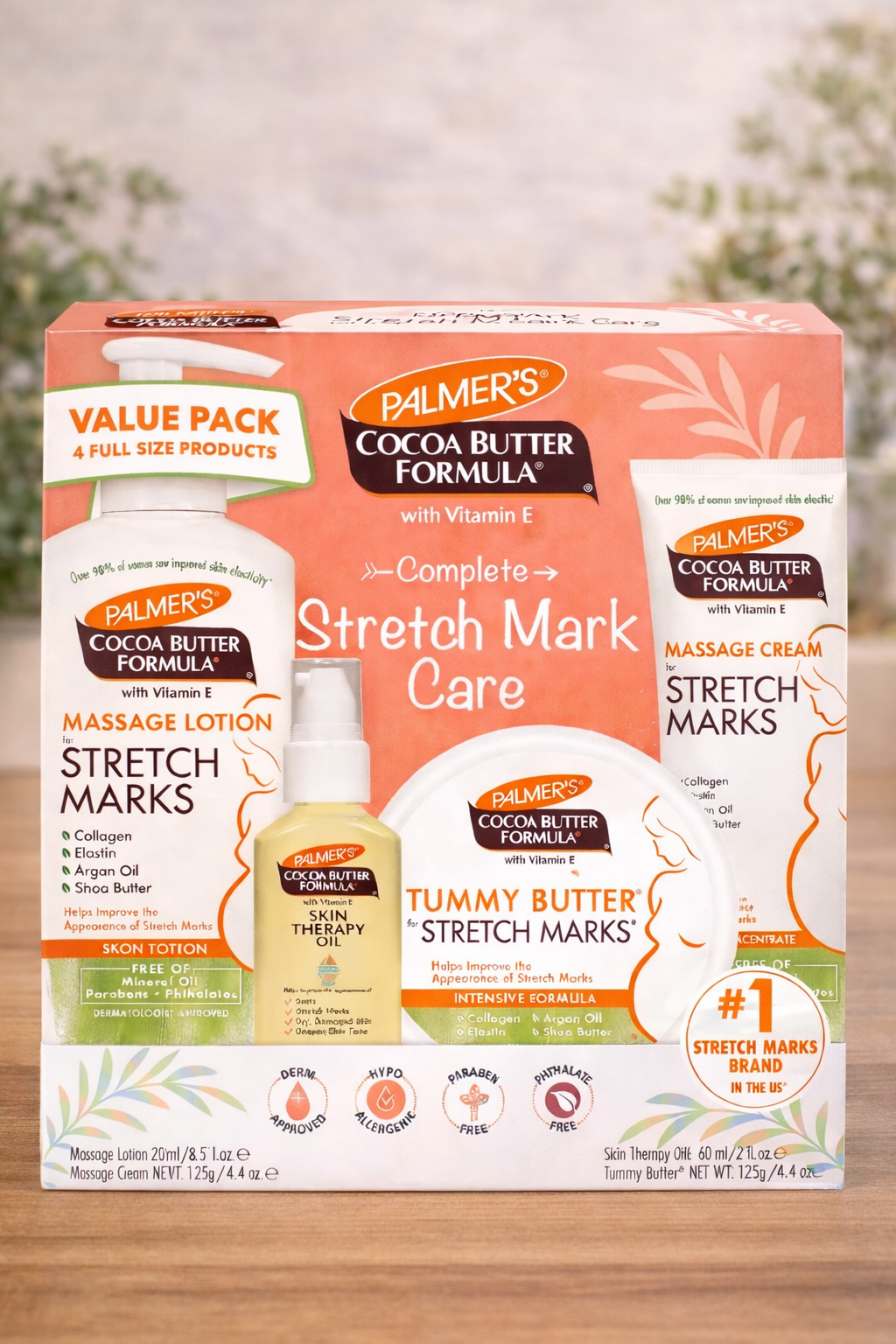
Palmer’s Cocoa Butter Formula Pregnancy Skin Care Kit
The cocoa butter formula is designed to support stretching pregnancy skin while moisturizing the belly, hips, and thighs. I loved that this set includes a lotion, belly butter, and skin therapy oil so you can layer hydration and keep skin feeling soft and comfortable as your body changes.
Check current price on Amazon: Palmer’s Cocoa Butter Formula
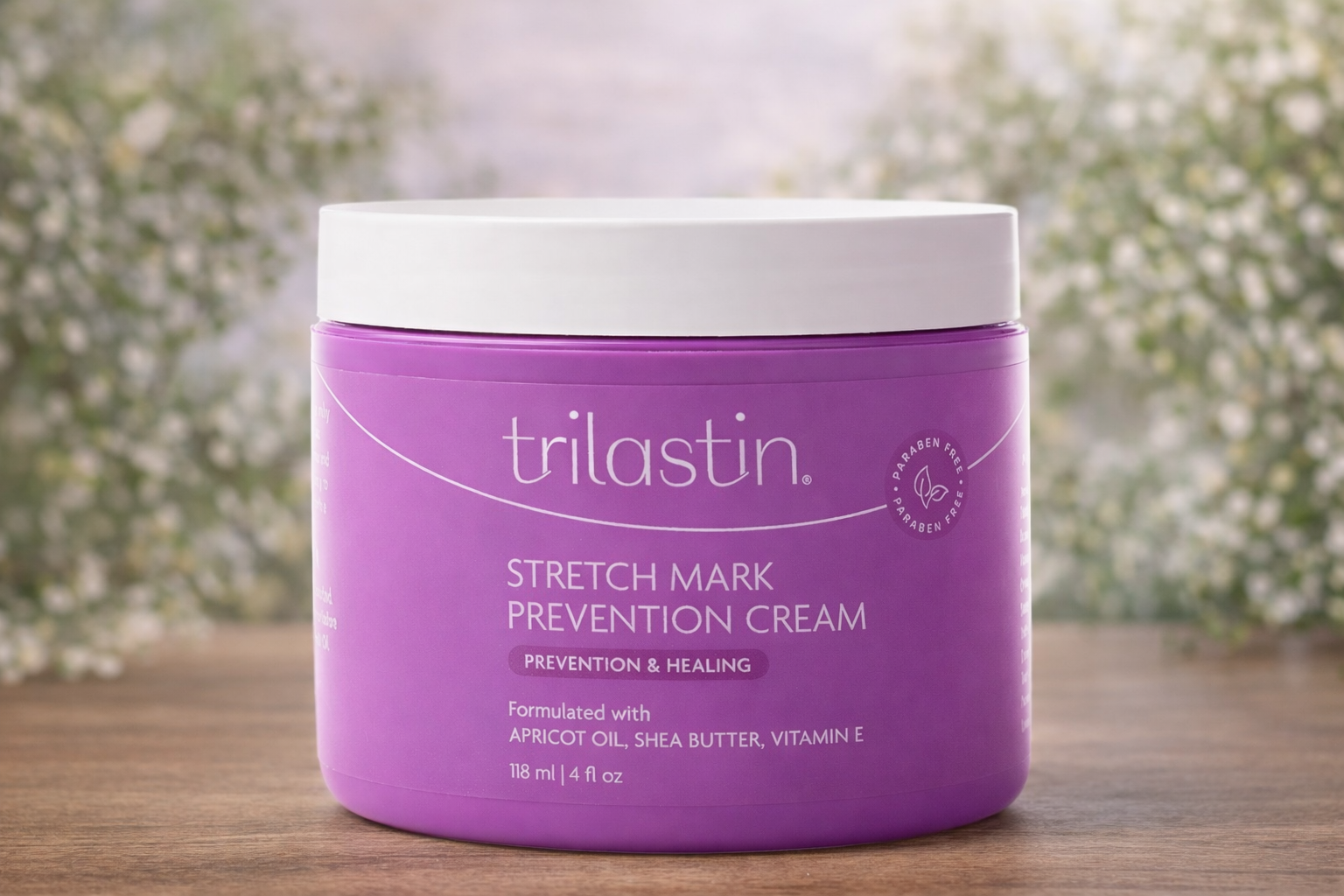
TriLASTIN Stretch Mark Cream for Pregnancy
I also looked for a thicker stretch mark cream that focused specifically on supporting skin elasticity during pregnancy, which is why I liked this cream. It’s formulated with shea butter, apricot oil, and vitamin E to reply hydrate stretching skin and help support the skin barrier as your belly grows. This is a rich cream that’s helpful for easing the tight, itchy feeling that often comes with second trimester belly growth.
Check current price on Amazon: TrilLASTIN Stretch Mark Cream
Other Skin Changes You Might Notice
Your belly isn’t the only area changing.
During the second trimester, you may also notice:
- Darkening of nipples or inner thighs
- Linea nigra (dark vertical belly line)
- Skin tags
- Greater sun sensitivity
- Increased pigmentation on the face
Skin Care Products for Second Trimester Skin Changes
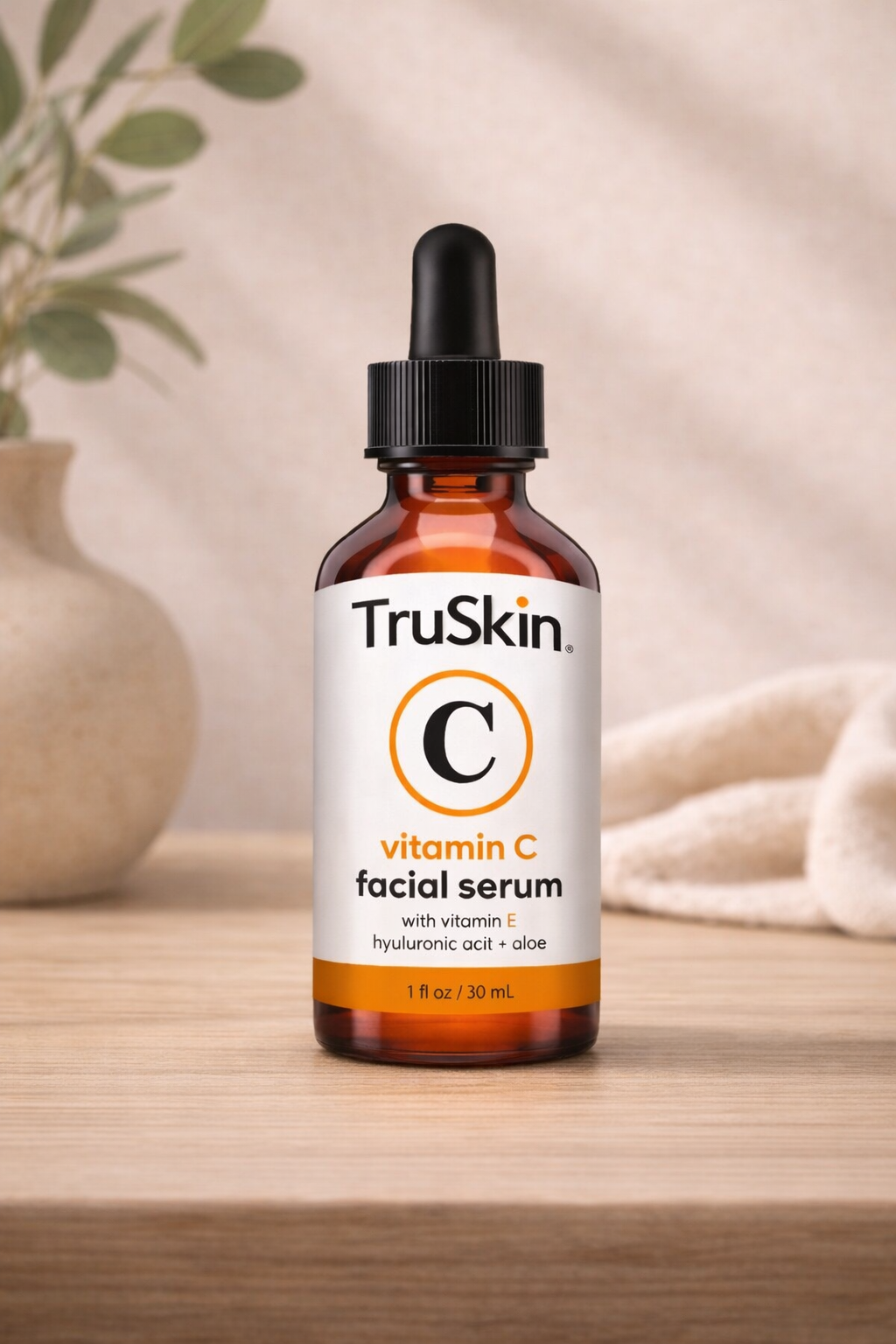
TruSkin Vitamin C Serum
Pregnancy hormones can cause uneven skin tone, dark spots, and increased pigmentation. I added this vitamin C serum to help brighten my skin and support a more even complexion during pregnancy. I liked that this formula is gentle and free from ingredients like retinol that are commonly avoided during pregnancy.
Check current price on Amazon: TruSkin Vitamin C Serum
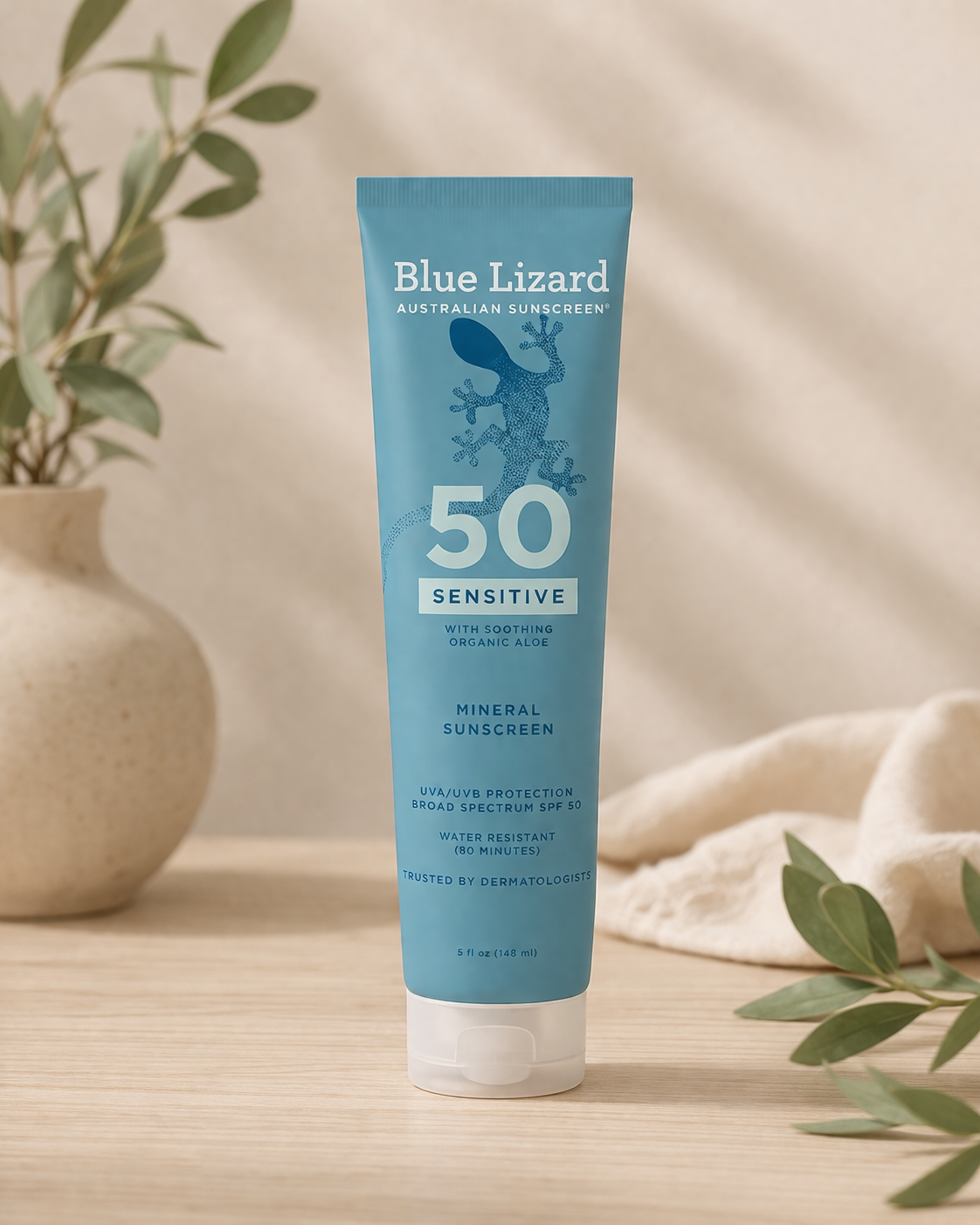
Blue Lizard Sensitive Mineral Sunscreen SPF 50
I chose this mineral sunscreen because it uses sink oxide instead of chemical filters. Mineral sunscreens are often recommended for sensitive skin and pregnancy-safe routines, making it a great option for protection.
Your skin goes through many changes as your belly grows and hormones shift. Supporting your skin with gentle, pregnancy-safe products can help keep it hydrated, comfortable, and protected. While stretch marks and skin changes are a normal part of pregnancy, consistent care can help ease dryness, reduce irritation, and keep your skin feeling its best as your body continues to grow.
Check current price on Amazon: Blue Lizard Sensitive Mineral Sunscreen
What to Look for in Skincare During Pregnancy
Pregnancy is a time when you want to be a little more mindful about what you’re putting on your skin. Many products are still completely safe, but there are a few ingredients you’ll want to avoid or double-check before using.
Here’s a simple way to keep your routine pregnancy-friendly:
Ingredients to avoid during pregnancy:
- Retinol/Retinoids (Vitamin A derivatives)
- High-dose salicylic acid (especially in peels or treatments)
- Hydroquinone (often found in skin-lightening products)
- Certain chemical sunscreens (like oxybenzone, if you’re being extra cautious)
Disclaimer: This content is for informational purposes only and is based on personal research and experience. I am not a medical professional. Always consult with your doctor or healthcare provider before introducing new skincare products during pregnancy.
Second trimester belly growth can feel exciting, but it also comes with new changes-especially when it comes to your skin. As your body stretches and adjusts, keeping your routine simple and pregnancy-safe can make a big difference in how comfortable you feel day to day. Focus on gentle, nourishing products, stay consistent, and always listen to your body. And if you’re ever unsure about an ingredient or product, it’s always worth double-checking for peace of mind.